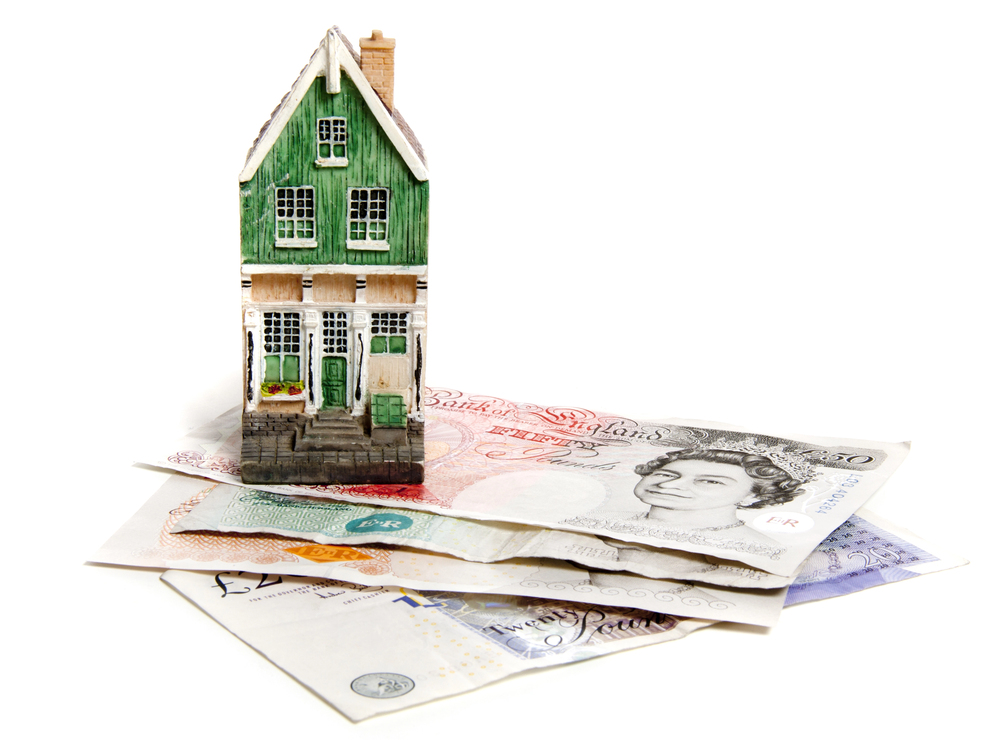

What is a 100% Mortgage?
A 100% mortgage is a home loan that allows you to buy a property without putting down any deposit.
Before the 2008 financial crisis, deposit-free mortgages were widely available, with some lenders even letting borrowers take out more than the property’s value to cover living costs. After the crash, these products disappeared from the market.
In 2023, as first-time buyers continued to struggle with high rents and rising living costs, some lenders began to reintroduce 100% mortgages.
For example, if you wanted to buy a property worth £325,000, you could borrow the full £325,000.
Any lender offering such a product will expect you to have a strong credit history and will carefully assess your debt-to-income ratio, which is the comparison between your monthly debt payments and your monthly income.
The Pros
- No deposit required. This is the biggest benefit, making homeownership possible without years of saving.
- Increased access to the property market. Skipton Building Society found that nearly four in ten renters spend 45% of their income on rent and other living costs, making it very difficult to save for a deposit.
- More flexible planning. Some lenders offer cashback or take into account your track record of paying rent when assessing affordability.
The Cons
-
- Guarantor requirement. Almost all 100% mortgages are guarantor mortgages, which means a family member or close friend must use their own savings as security.
- Higher interest rates. Because these loans carry more risk for lenders, interest rates are usually higher than standard mortgages.
- Stricter lending rules. Buyers with poor credit scores may find it harder to meet eligibility criteria.
- Limited choice. Options are not as widely available as traditional mortgages, restricting what buyers can access.
- Risk of negative equity. If property prices fall, you could end up owing more than the property is worth, making it difficult to sell or remortgage.
If in Doubt, Seek Advice
A 100% mortgage may make sense for some first-time buyers, but it is not without risks. Speaking to a professional adviser can help you compare different products and government schemes designed to support buyers, ensuring you choose an option that is both suitable and affordable for your circumstances.
Please contact us if you would like more information.
Your home may be repossessed if you do not keep up repayments on your mortgage.
Approved by The Openwork Partnership on 17/9/25